Case studies
Salisbury Council wanted a clearer understanding of how pedestrians and cyclists use and interact across key shared footpaths throughout the city.
Salisbury Council wanted a clearer understanding of how pedestrians and cyclists use and interact across key shared footpaths throughout the city. Traditional counts can provide a snapshot of activity, but they offer limited insight into how movement changes throughout the day, across seasons, or during city-led events.
The council needed continuous, objective evidence to identify potential conflict points, understand peak-risk periods, and support decisions on where safety interventions and investment would have the greatest impact.
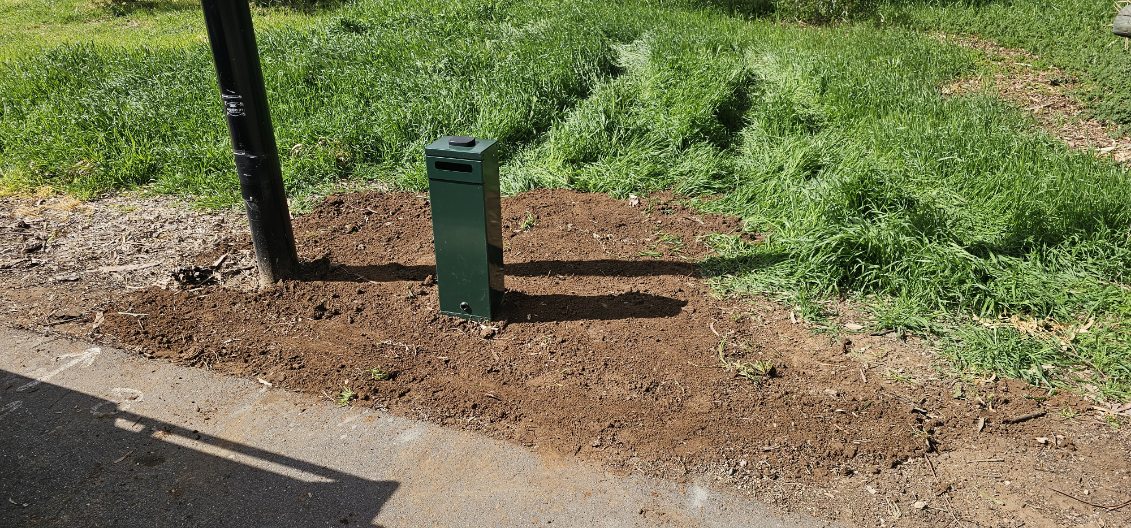
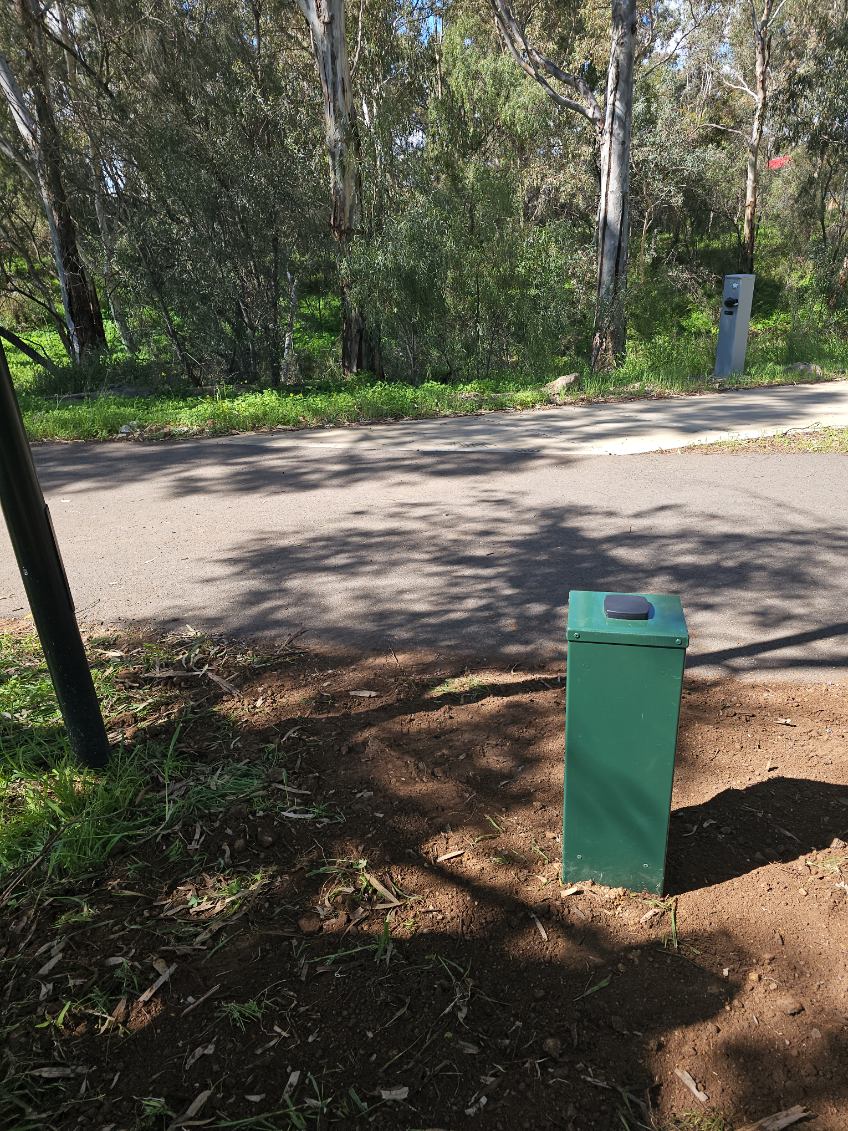
Connex Active LiDAR units were deployed across key footpaths in Salisbury to capture high-resolution movement footpaths in Salisbury to capture high-resolution movement data in real time. The system provides continuous insight into pedestrian volumes, bicycle flows, direction of travel, speed profiles, and interaction patterns between different user groups.
By combining real-time monitoring with historical trend data, the council can see how behaviour changes in response to seasonal, environmental, event-driven, and operational factors.
The data supports decisions around:
Since deploying Connex Active, Salisbury Council has gained a far clearer understanding of how pedestrians and cyclists a far clearer understanding of how pedestrians and cyclists actually use shared spaces. Seasonal patterns, event-driven actually use shared spaces. Seasonal patterns, event-driven surges, and previously unseen conflict behaviours can now be surges, and previously unseen conflict behaviours can now be identified using objective movement data.
This greater visibility enables the council to identify risk more proactively, build stronger evidence for safety treatments, and communicate the rationale behind decisions more clearly stakeholders. Automated, continuous data capture has also reduced reliance on manual counts, saving time while improving consistency and accuracy.
With a stronger evidence base, the council can make more informed decisions about its public spaces and ensure future informed interventions respond to how people actually move through and experience the city.
Case studies

For more information or to chat more about your requirements, contact our expert team by sending us a message or calling or emailing us.
Telephone
+44 (0)1908 088008